
Jambi City is the capital of Jambi Province in Sumatra, Indonesia. I have had the opportunity to visit this lovely city three times in recent weeks; my company sent me here on business, specifically for meetings and training. My reason for writing this story is that I am a coffee lover, and I want to combine my love of writing with my travels. It crossed my mind: why not try to write something about coffee and its connection with the city? So what is the connection between Jambi and coffee? Not many people may know that Jambi has good coffee — such as the famous AAA — but did you know there is another delicious specialty coffee, Kerinci coffee? It may be familiar to specialty coffee lovers, but perhaps not to the ordinary coffee drinker like me.


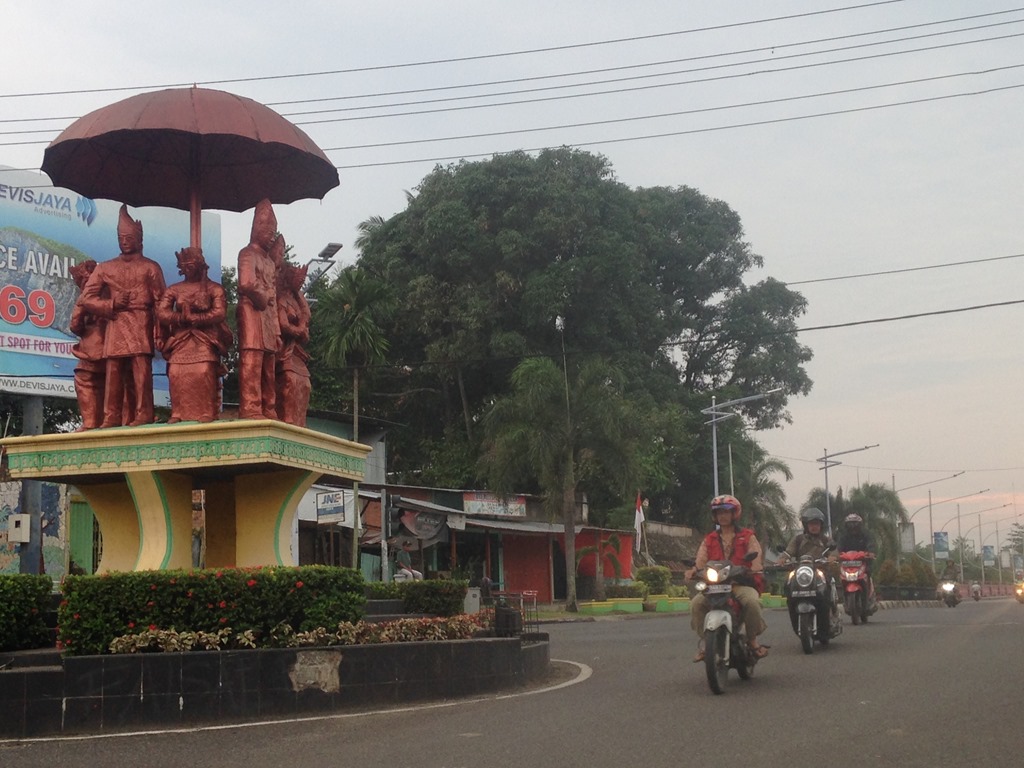
Picture 1. Landmark and Icon of Jambi City
I wanted to make the most of my spare time between business in Jambi and my hobbies, such as walking, and use the opportunity to look for legendary spots scattered around the city — or to look for good coffee. For the coffee, I had a few criteria that needed to meet my requirements:
The place should be popular among local people for meeting, eating and, of course, drinking coffee. It should have good coffee along with complementary snacks — something unique, specific or traditional (lemper, lontong, nasi gemuk or satay). The price should be affordable, while the coffee itself should taste very good and authentic.
Looking at those criteria, I searched by any means available — consulting “Uncle Google” or peeking at recommendations from others — and this finally brought me to some candidates: Kedai Kopi Terang Bulan, a coffee shop located near Angso Duo traditional market, which I found through this blog (minumkopi.com); Kedai Kopi Rasa Sedap, based on a recommendation from Tribun Jambi; Jabat Tangan Cafe, based on my own googling; and Taman Langit Cafe, also based on my googling.
Searching for the Coffee Shops
Besides cycling, walking is another hobby of mine. When I was in Jambi, after office hours I used to walk as an effort to look for those coffee shops — though my real goal was to keep my muscles moving and exercised every day. As you may know from another article of mine, I have a plan to cycle abroad, or to cycle to Singapore from Batam. Here is one tip for readers of this blog: if you want to know where the most delicious coffee in town is, a traditional market could be the best starting point, because normally every traditional market has its own culinary icon — including Angso Duo market. I believe it must have a legendary coffee shop. But before getting to the point, let me tell readers and visitors of my blog that while I was in Jambi I stayed at the ASTON Hotel Jambi, located in the Simpang Pulai area.
Picture 2. The hotel where I stayed in Jambi
The target was set: Angso Duo Traditional Market. According to Google Maps, the distance between my hotel and Pasar Angso Duo was around +/− 2 km. As usual the starting point was always my hotel, but the time could be either in the morning after Sholat Subuh (morning prayer) or in the afternoon once office hours were over. The route was quite interesting, because I found some landmarks and icons of Jambi City along the way.
Aston – Makalam Bridge – Pasar Angso Duo – Aston
The total distance for this route was about 7.7 km, and along the way I found some interesting landmarks and icons of Jambi City. It was 5:30 AM sharp, after performing sholat subuh at the mosque near my hotel. Wearing my sneakers, I started walking alone. For your information, I always enjoy walking alone to reach my target, because I am free to set my own rhythm: I can stop whenever I want and start again whenever I want. But if someone is willing to join me, that would be okay too.
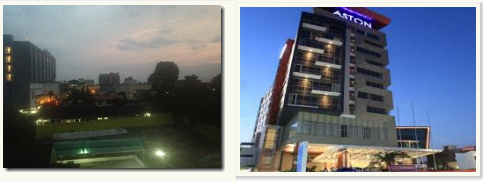
Picture 3. ASTON Jambi, my starting point (photo taken from another hotel)
I walked directly to Angso Duo at dawn. The road was still free of cars, motorbikes and other vehicles, and the air was very fresh — Alhamdulillah Ya Allah atas nikmat udara segar ini. I walked north from my hotel, heading to Masjid Seribu Tiang (Thousand Pillar Mosque). This is one of the famous mosques in Jambi — or perhaps the only unique mosque in Indonesia supported by almost a thousand pillars (maybe not exactly a thousand).
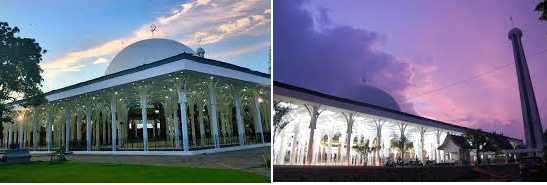
Picture 4. Thousand Pillars Mosque, Jambi, at dawn and in the afternoon
Passing in front of the Thousand Pillar Mosque and turning left brought me to the legendary, famous market in Jambi City: Angso Duo market (Pasar Angso Duo). The atmosphere pushed my memories back to Pasar Bawah in Pekanbaru (my hometown), or Pasar Bering Harjo in Yogyakarta, or Pasar Raya in Padang — as we know, every major city has a historical market; name it and google it, and you will find it. Angso Duo is a morning market: business opens from dawn at 4:00 AM until noon at 14:00. Outside those hours you will find nothing except rubbish, closed stalls and empty tables — name any piece of equipment normally found in a market, and it is there. At this market you will find everything fresh from nature: vegetables, fish, meat, poultry products and many more.
But for me, the most interesting things to do in a traditional market are the traditional foods and street food, or jajan pasar. My memories go back to when I was a kid: every time my mom came back from the market, she always brought me or another family member special food that was available only on Hari Pasar, or Market Day. Do you remember the market days that are common in Indonesia, such as:
Pasar Minggu / Sunday Market, Pasar Senin / Monday Market, Pasar Rabu / Wednesday Market, Pasar Jumat / Friday Market, and so on. Those market days, or occasional markets, still exist today. Perhaps in the present day, or for people who live in the city, a market day is not a special day — but for those who live in a village or a remote area, such as a village on the river bank or a village on the mountain, market day is a special day. It is the day when people take a holiday from their daily chores — farmers, fishermen — because on that day they go to the market to sell their harvest from the field. In fact, for the women, they receive their household money (uang belanja) for the following week on market day, and they go to the market to buy what they need for the week: vegetables, fish, meat, poultry products and others. On market day they will find special dishes and foods sold only then — such as satay, ice cream, special cakes, even toys or other necessities.
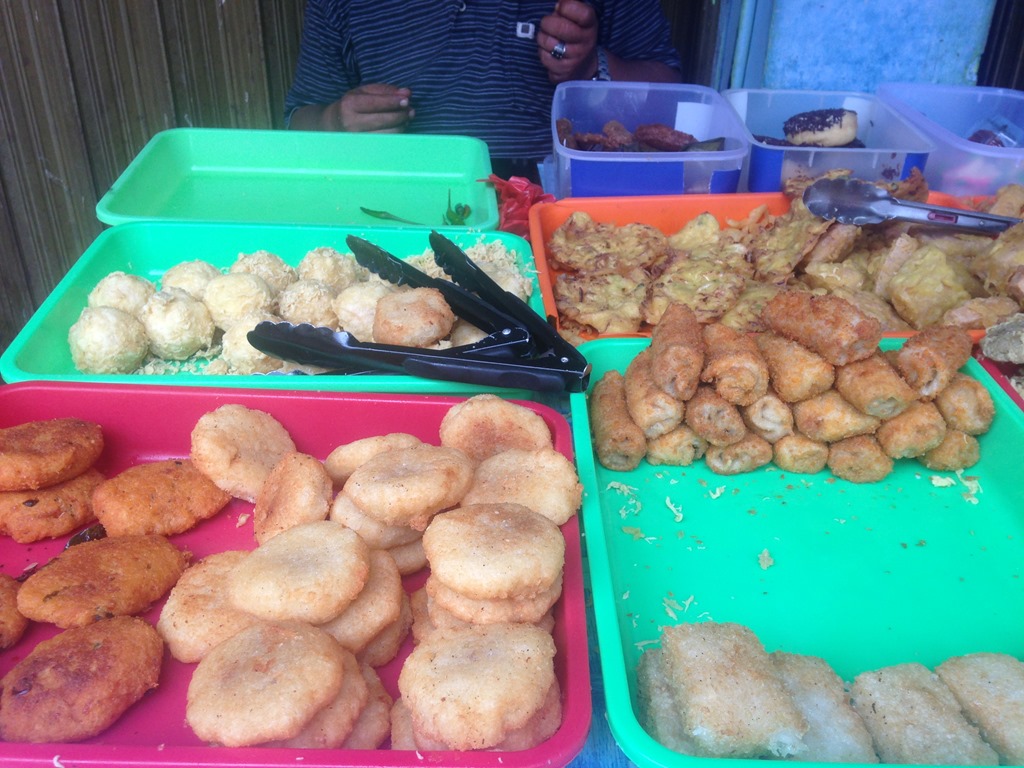
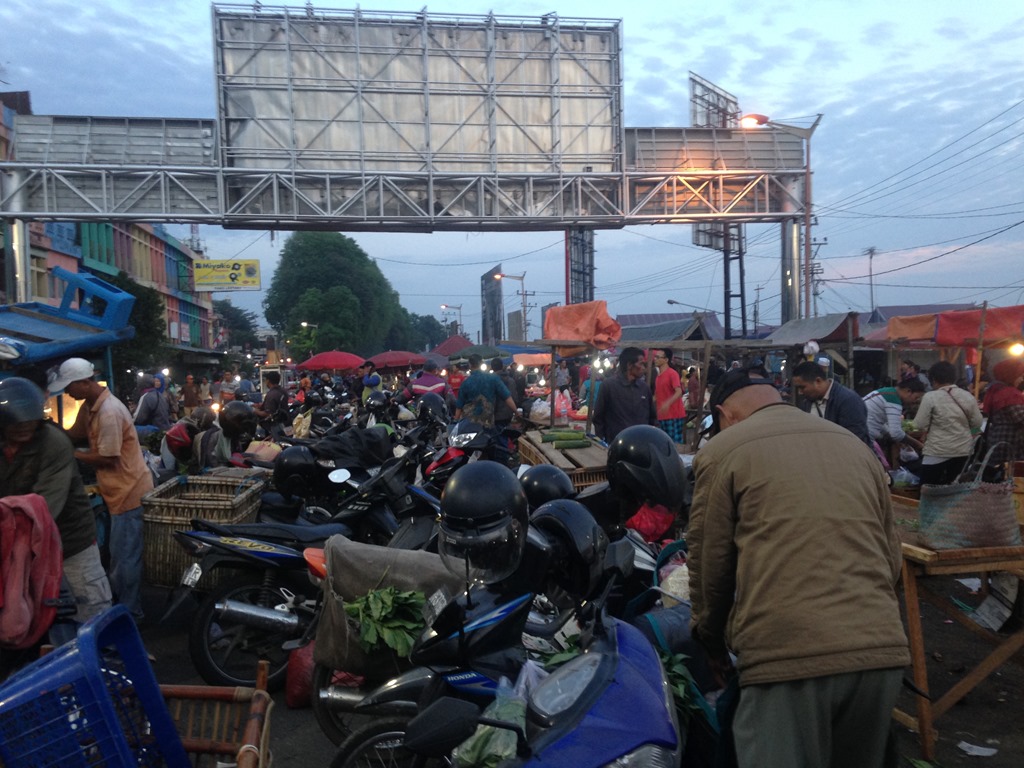
Picture 5. Local snacks sold at Angso Duo Market
By the time I arrived at Angso Duo market, I tried to find Kedai Kopi Terang Bulan by myself, looking at every corner and hoping to find something like a banner, an advertisement billboard or any sign for the coffee shop — but I found nothing. I tried asking the people around me, an ojek driver, a parking attendant; none of them knew that coffee shop. Wow. Is this coffee shop, written about at minumkopi.com, real? Or is it already closed? I could not find the right answer for now. But my effort was not meaningless, because it brought me to another coffee shop — one with no name, located right beside the most crowded road in front of Angso Duo Market.
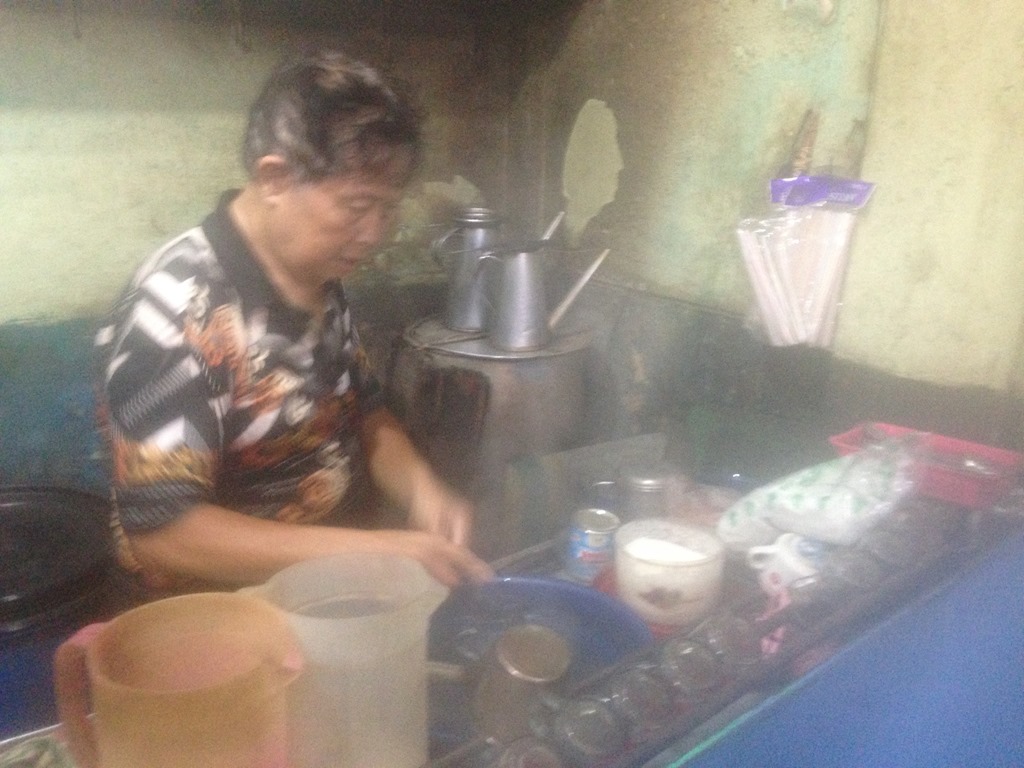
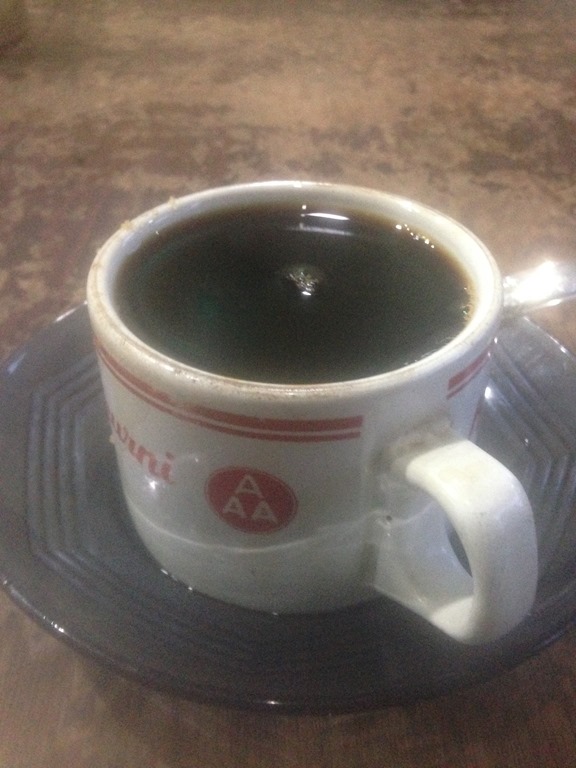
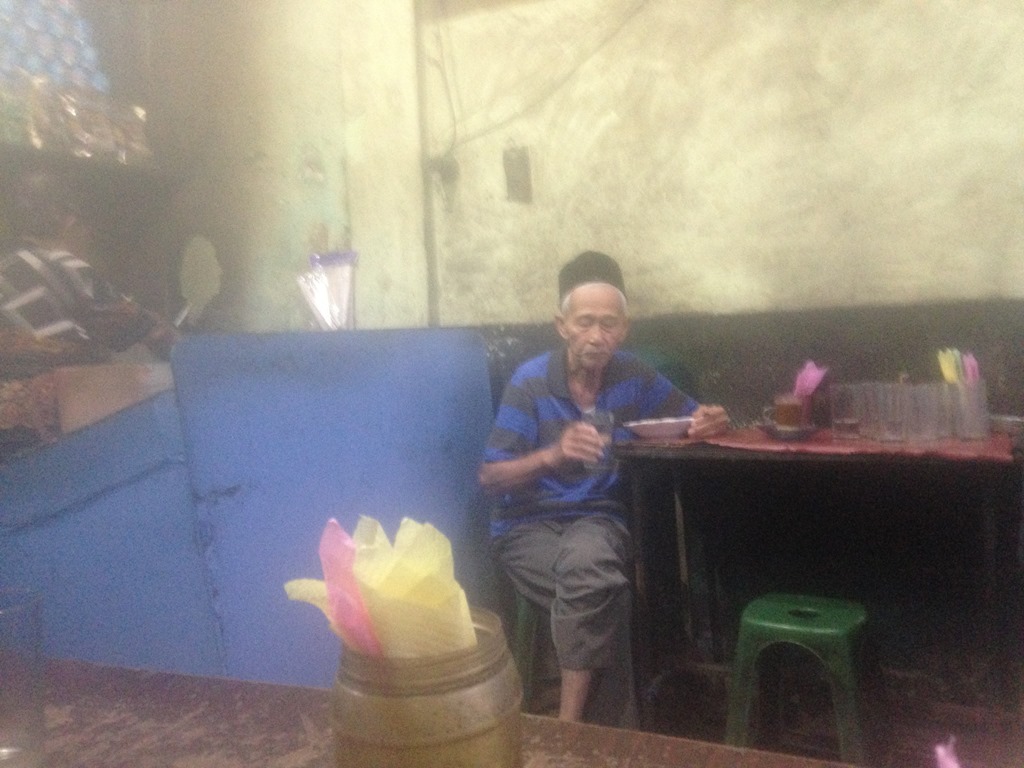
Picture 6. Preparation of Kopi O, and an old man sitting at another corner enjoying his coffee
From the outside there is nothing special about this coffee shop: the paint is dirty, it looks like an abandoned building, and it is scratched everywhere. But surprisingly, the room and tables were full of visitors enjoying their breakfast. I thought there was nothing to lose in trying it — the no-name coffee shop, whose seller looked like an old Chinese man. I walked in freely and, luckily for me, there was an empty table and chair. After sitting down and looking around, I called out, “Kopi O satu!” Kopi O is a popular name for black coffee in Batam. Amenk (the owner’s name — I heard everybody call him that) answered spontaneously, “Ya… ya, silahkan duduk ya” (have a seat). In less than five minutes a cup of Kopi O was served in front of me. It smelled good, and the thickness was just right. Wow — I think I was in the right place. Delicious coffee for only Rp 4,000 — very, very cheap, but the taste is very good. And the journey this morning continued.
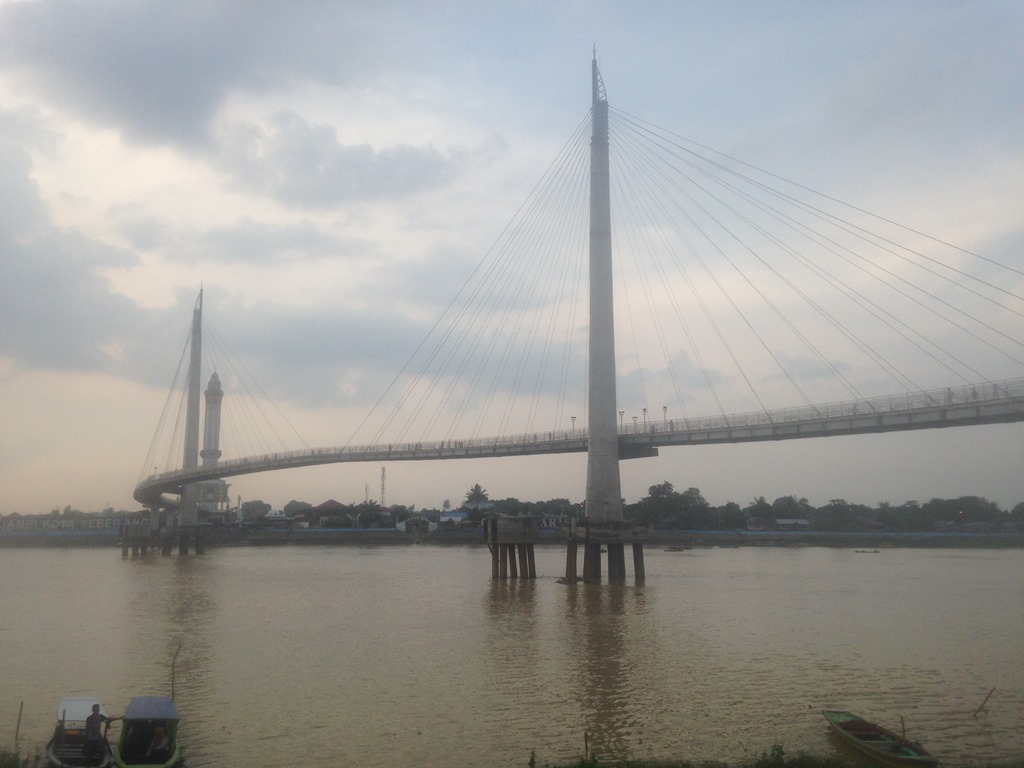
Picture 7. A new icon of Jambi City: the Arasy Bridge, connecting Jambi City with Kampoeng Seberang
Going straight through Angso Duo market and not far from Batang Hari Mall, you will find the newly constructed bridge, the mighty Arasy. This marvellous bridge connects Kampoeng Seberang with Jambi City. But do not expect to find a single vehicle or motorcycle crossing the bridge — none are allowed. Only people may cross; put simply, the bridge was built especially for pedestrians. After taking some pictures and taking a deep breath to fill my lungs with the fresh air carried by the Batang Hari river, my walk continued to another side of Jambi City.
The Old Town
I was walking in the old city of Jambi. The atmosphere was a bit spooky, because I could not find any open store and nobody was walking around — the surroundings were still dark, and the street lights did not illuminate every section well; at certain sides it was very dark. But there was an advantage for me: I was free to take pictures of any building I wanted. One building interested me very much — it looked like a theatre or cinema, and I spotted an advertisement printed on a large screen showing an old Indian movie.
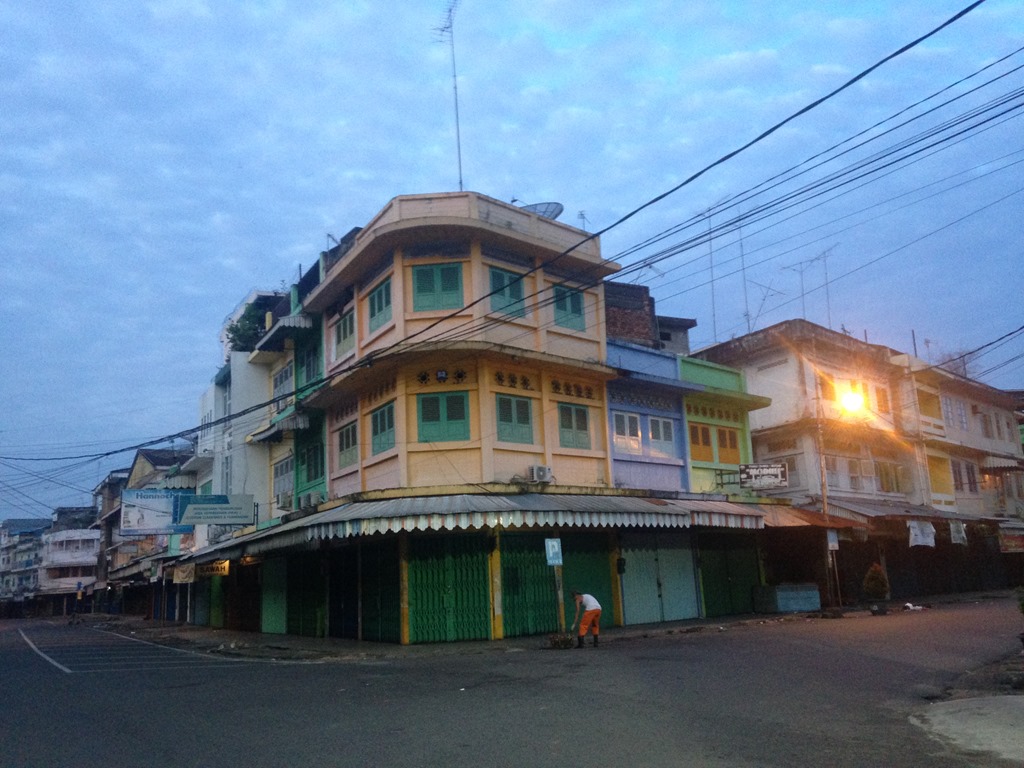
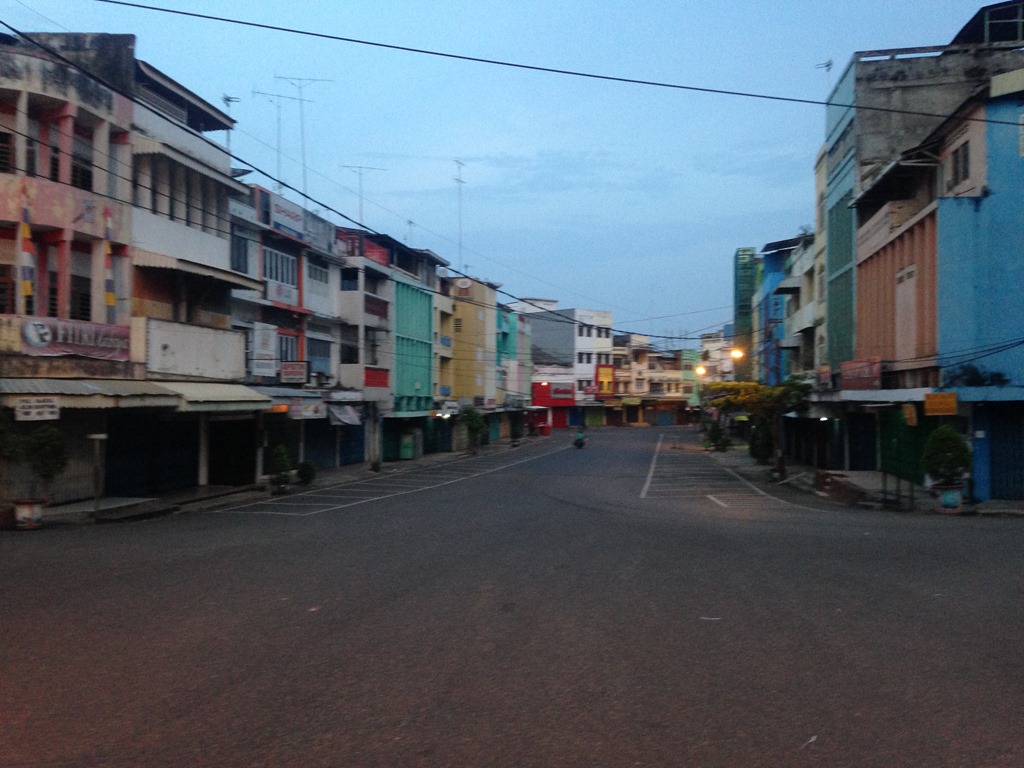
Picture 8. The old city of Jambi at dawn — a bit spooky and very quiet
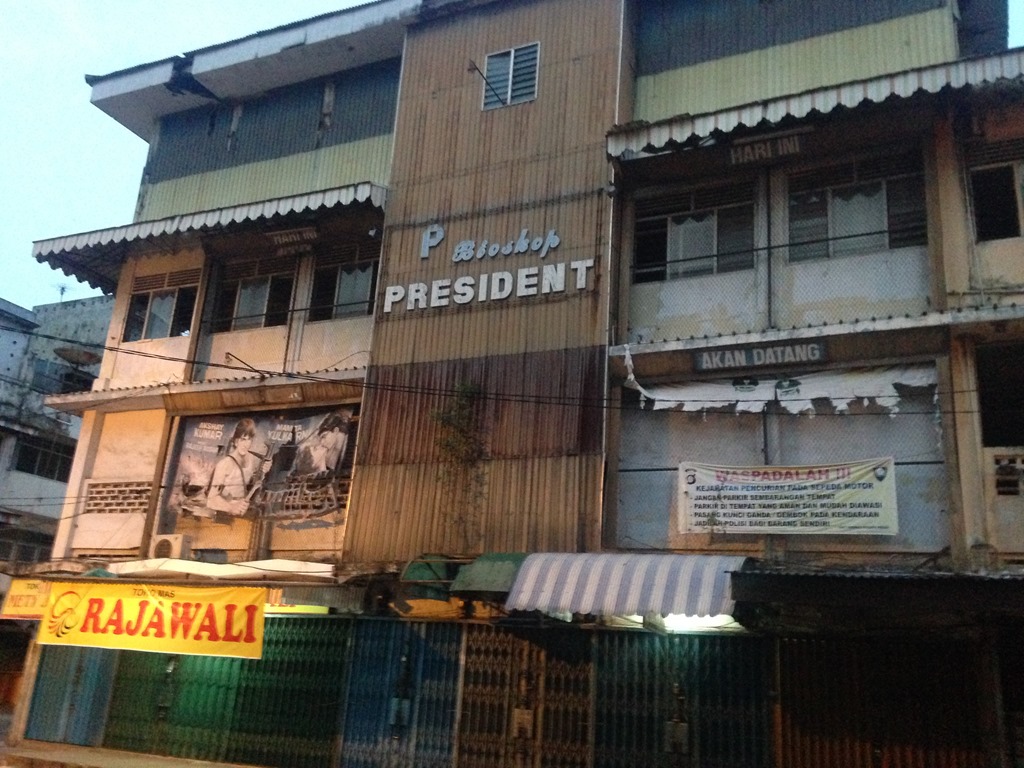
Picture 9. Bioskop President, the legendary cinema in Jambi City
Having satisfied my curiosity about the old city of Jambi, my walk had to end soon, because I needed to get back to my hotel and prepare myself for work that morning. On my way back to the hotel I walked across another famous bridge in Jambi: Makalam Bridge (Jembatan Makalam), a bridge that hangs above a river, with busy traffic crossing it.
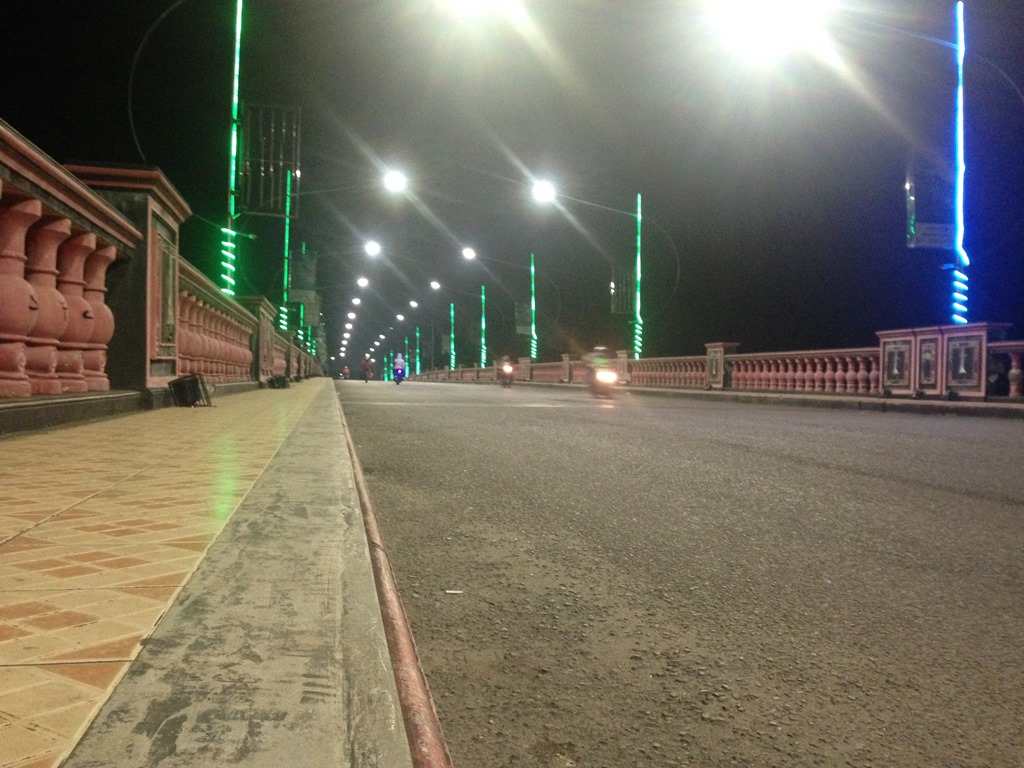
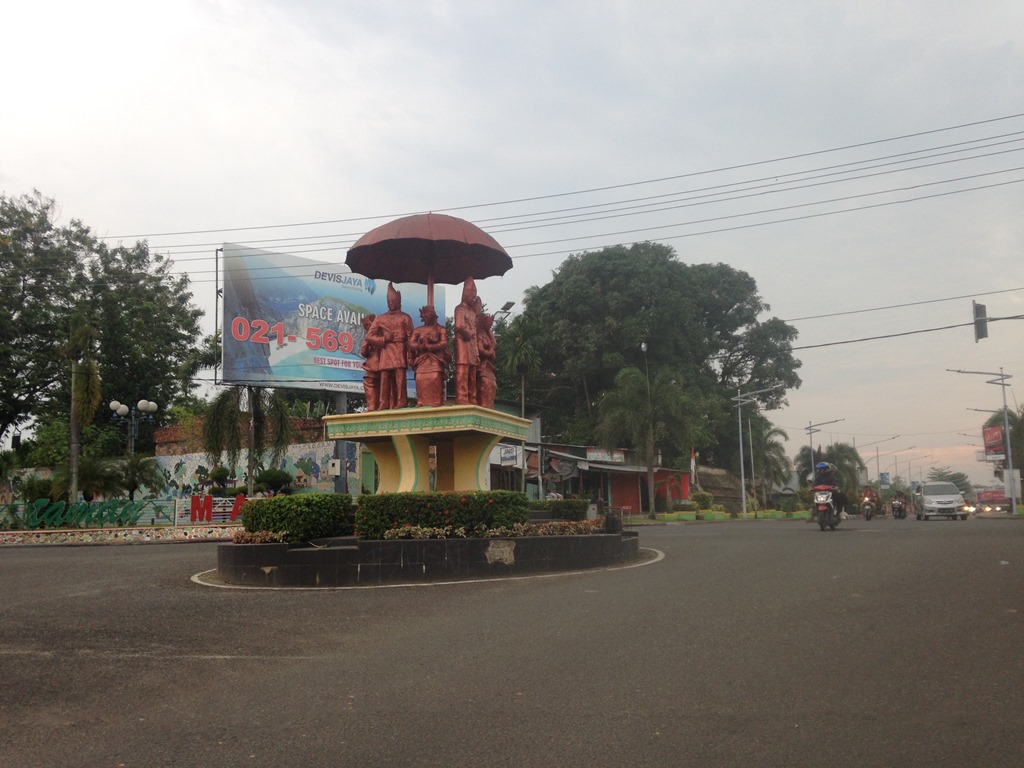
Picture 10. Makalam Bridge from another corner, with the statue standing in the middle of the intersection road
On my way back to my hotel from Makalam Bridge, my feet guided me to the Museum Perjuangan Rakyat Jambi. The museum is located between two main roads in the Simpang Pulai area, near the traffic light; this place is easy to spot — just remember it is not far from the famous Thousand Pillars Mosque. Or, more precisely, right in front of the museum there is a building that looks like a water tower, the tallest building around; in Indonesian we call it tower air PDAM.
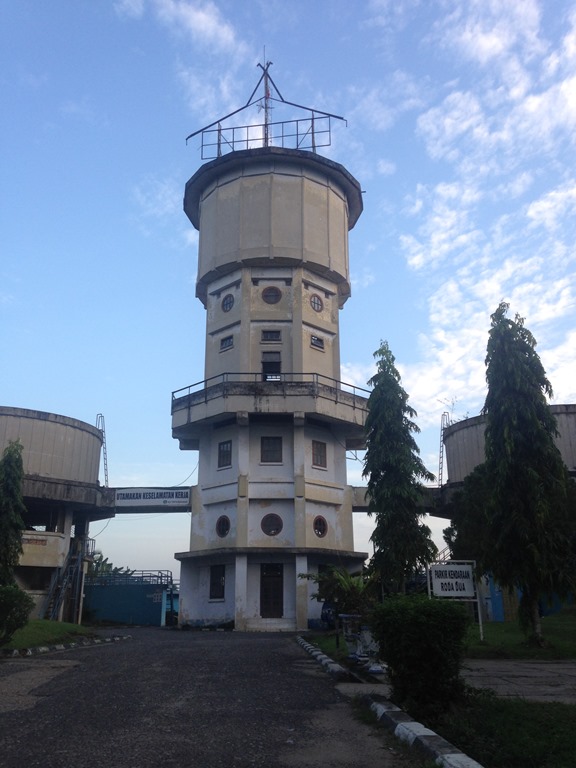
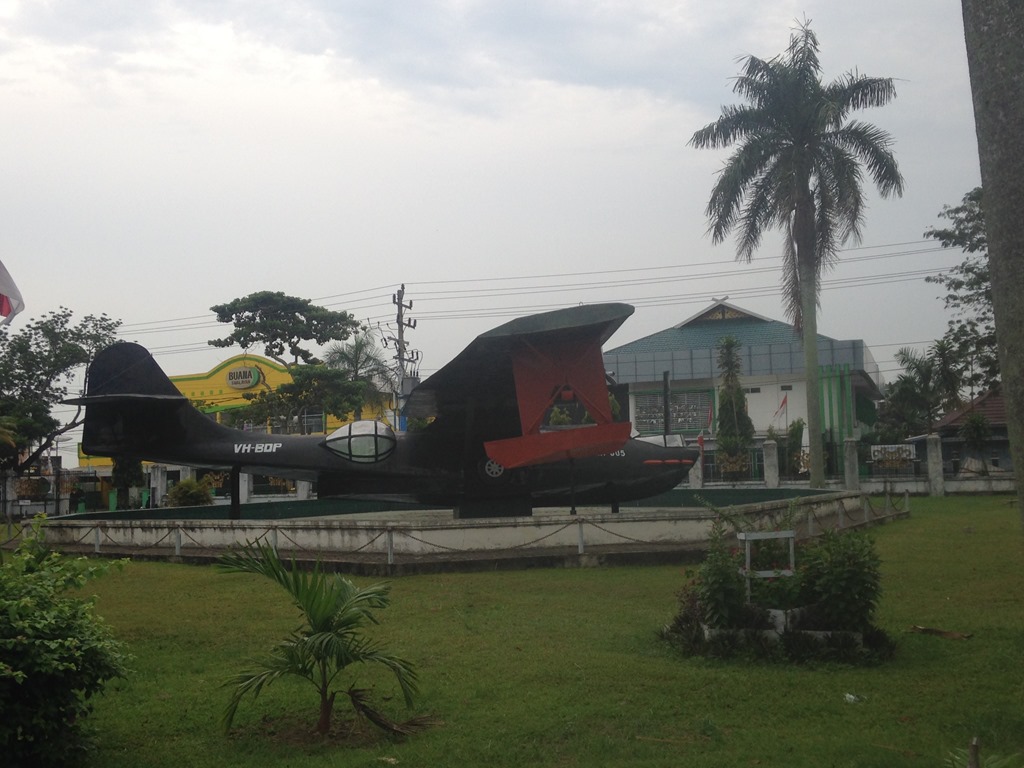
Picture 11. A war plane monument in front of the museum, commemorating the struggle of the people of Jambi for Indonesian independence
That was my whole morning journey, with the mission of finding good coffee, keeping my muscles ready for cycling every weekend, seeking out monuments and old, iconic places or buildings, and hunting good spots for my photo collection. Total walking distance: 7.7 km.
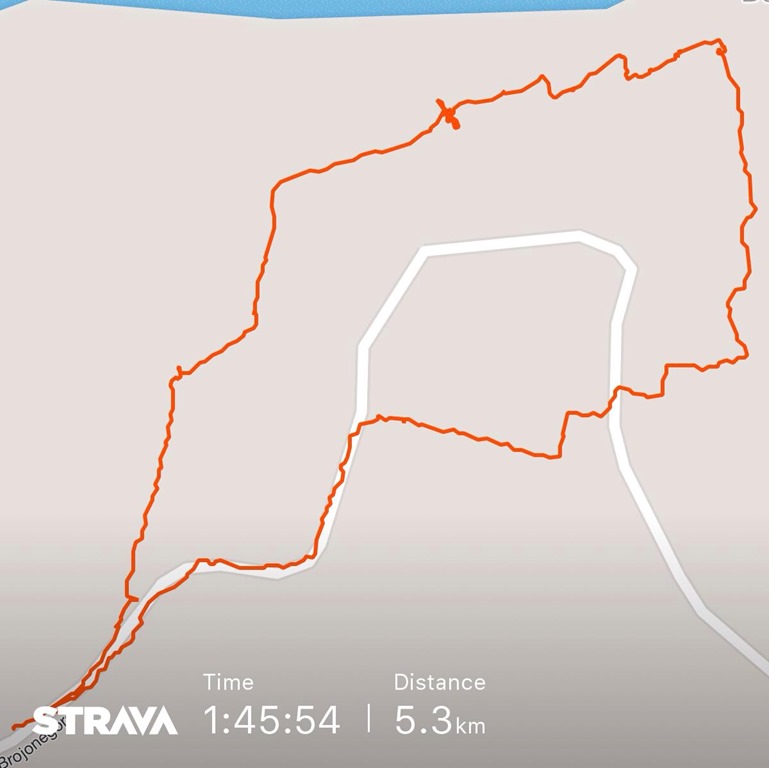
Picture 12. My Route this morning with total distance 7.7 Km
I think that is enough for this morning. See you on my next morning or afternoon walk — and Keep Healthy, Keep Happy and Keep Smile, for a longer life. See you!